Categories: Youth
Tags: Collective 2026, Youth
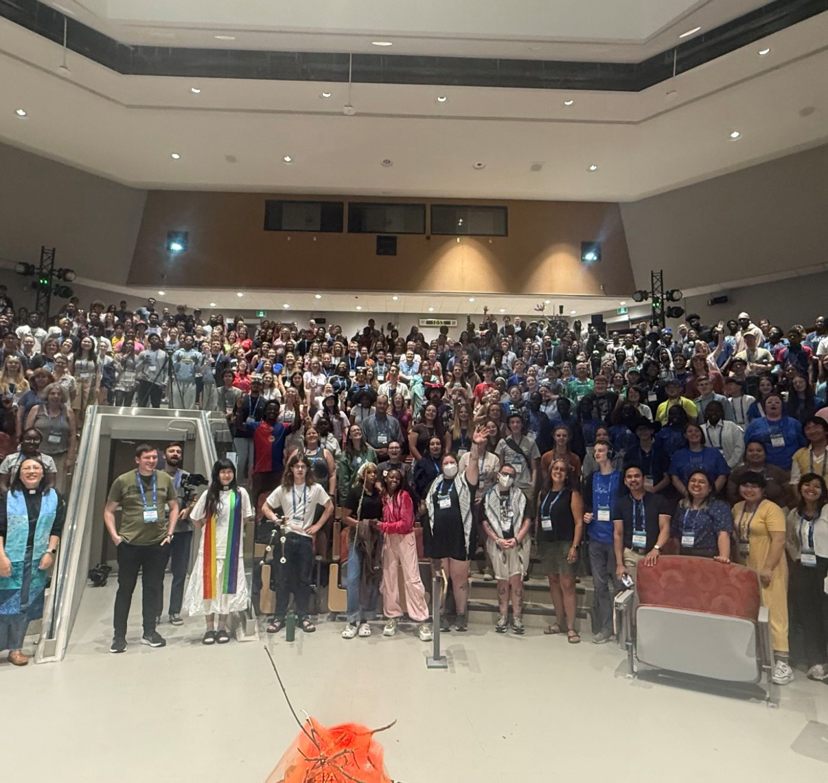
Creating spaces where young people can connect, learn from one another and engage around issues they already care about is fundamental to youth engagement. This approach was a cornerstone to Collective 2026, a national gathering for youth, young adults and leaders, held at Brock University in St. Catharines, Ontario from August 12 to 15. Co-Presented by the United Church of Canada and the Presbyterian Church in Canada, it attracted more than 500 participants.
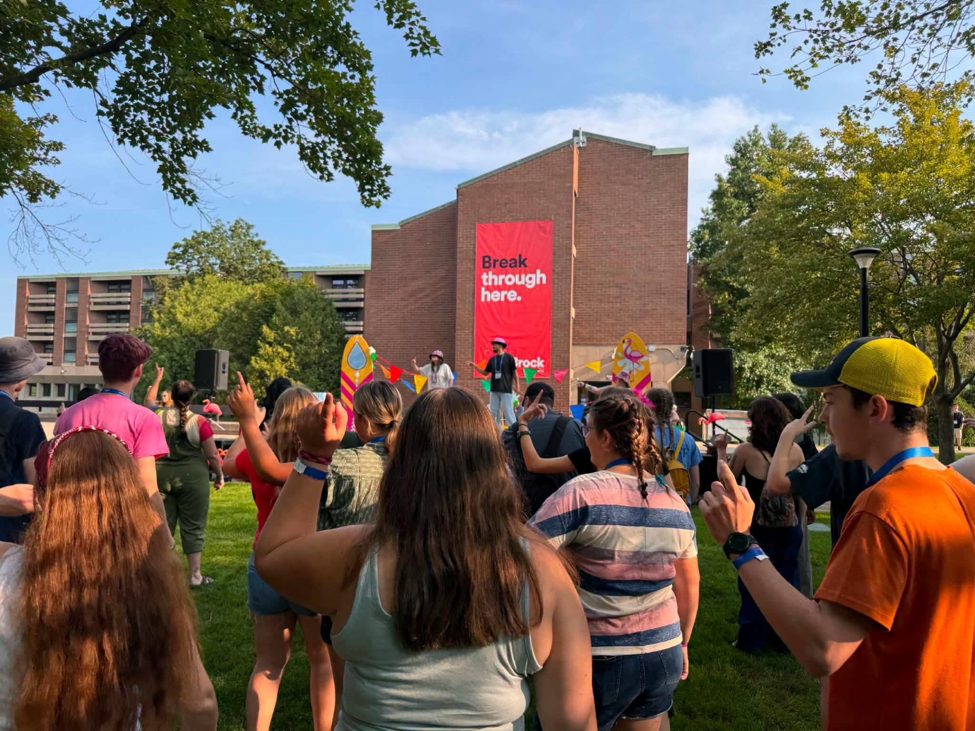
The event combined workshops and learning with recreation, informal conversations, small groups and opportunities to build relationships. Several workshops positioned young people as leaders and active participants rather than simply as recipients of information, including sessions on youth advocacy, political leadership and youth-led engagement. Additional programming included Indigenous justice and reconciliation, climate justice, global justice, political engagement and community-building.
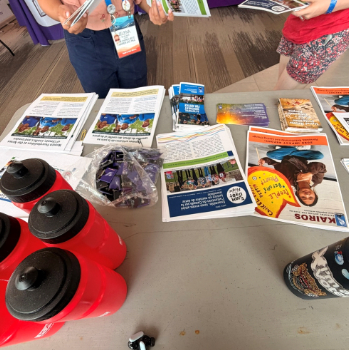
Representing Kairos Canada, I hosted a marketplace table where I shared resources and information about Kairos’ work, including Women Peacebuilders at the nexus of Climate, Conflict and Gender, our past work in Jubilee: Turn Debt into Hope and other justice-related initiatives.
Connection to Kairos’ Women Peacebuilders project and global partnerships
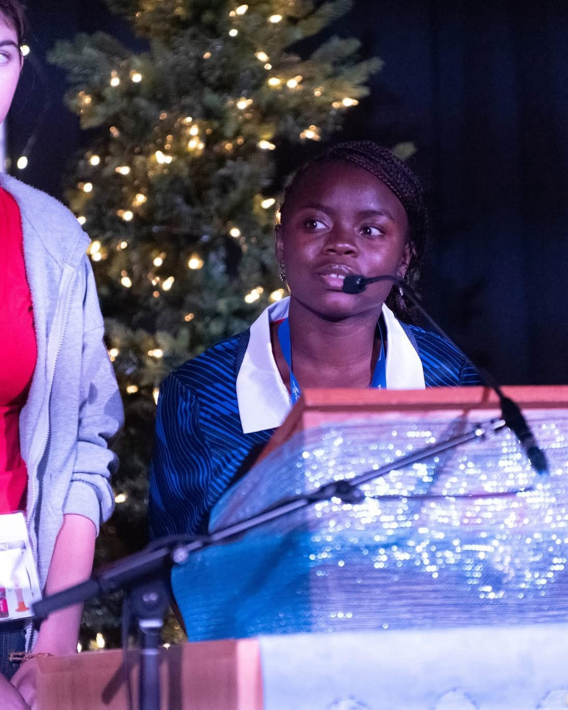
Collective 2026 also inspired me to think about how the work of Kairos’ Women Peacebuilders project can connect with younger generations in Canada. The programming included discussions connecting global justice, climate change, poverty and humanitarian issues, including a session that brought young leaders from Kenya and the Philippines into the climate conversation. This demonstrated the value of creating opportunities for young people in Canada to hear directly from people and movements working in different countries, rather than presenting global justice issues only through an organizational or Canadian lens
For the Women Peacebuilders project, this inspires opportunities to introduce young people to the interconnections between climate, conflict and gender, while also creating space for partners and women peacebuilders to share their own knowledge and experiences. Rather than designing youth engagement around “teaching” young people about the triple nexus, we could explore ways for young people to learn with partners, ask questions, exchange perspectives and identify how their own communities can contribute to broader movements for justice.
My participation in Collective 2026 reinforced for me that meaningful youth engagement is ultimately about relationships, mutual learning, participation and creating conditions for people to act together.
The event demonstrated that learning about justice can happen alongside community, creativity, play and relationship-building. For Kairos, there is an opportunity to bring this approach into our broader movement-building work and particularly into our Youth Strategy, currently under development. This means not creating another program for young people, but offering more opportunities to learn with them, connect them with movements and resources, support what they are already doing and build relationships that can grow into meaningful collaboration and collective action.
By Danielle Kamtié, Africa Partnerships & Global Climate Justice Coordinator