Categories: Youth
Tags: Model Youth Justice, MYJ, Youth
What happens when 30 young people from different backgrounds, communities and regions come together for a weekend to explore justice and peace?
They leave, feeling that they’ve found their community.
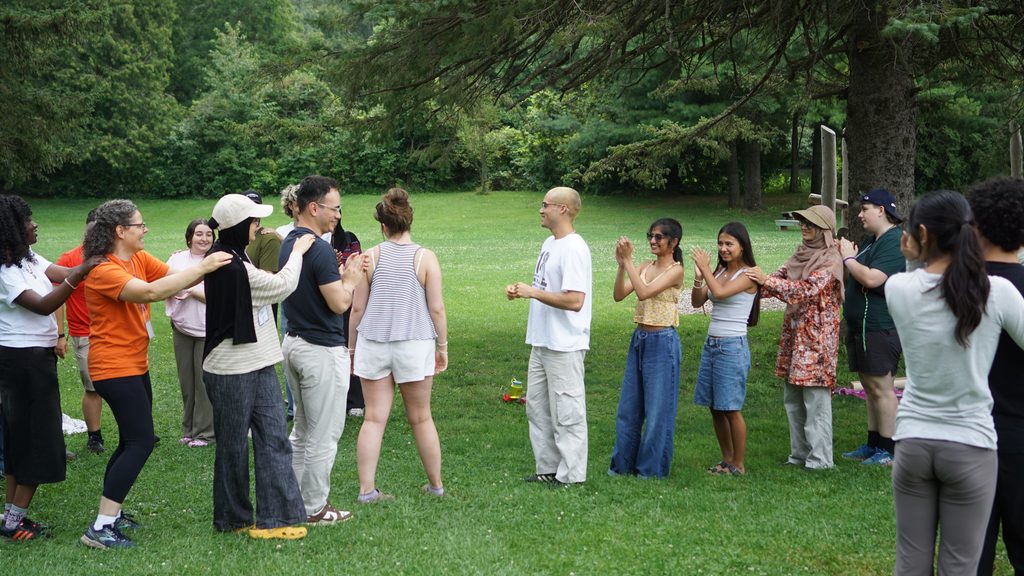
That was the experience of Model Youth Justice 2026. When participants, aged 15-30, were asked what they enjoyed most, they highlighted the connections they made, the diversity of people who came together, the opportunity to learn new skills, and simply having time to be together.
Model Youth Justice is a growing collaboration of organizations and individuals from different faiths and worldviews, working together to create opportunities for youth to be supported in peace and justice efforts. This collaboration is undergirded by Camp Micah and the gifts of the partner organizations, including Kairos Canada. Inaugurated in 2025, Model Youth Justice offers a weekend-long gathering in August of youth from across Ontario, as well as a few smaller local initiatives.
The participants also remarked on the importance of:
Throughout the weekend, participants explored justice and peace through workshops, conversations, games and hands-on activities.
A highlight was the land acknowledgement reflection, which prepared participants to hear about the Land Back movement from two incredible, local activists, Amy Smoke and Bangishimo. These two shared how a weekend campout in Victoria Park in Kitchener in July 2020 led to many months of encampment called O:se Kenhionhata:tie, or Land Back Camp which led to the changing of municipal laws and policies to better support Indigenous needs.
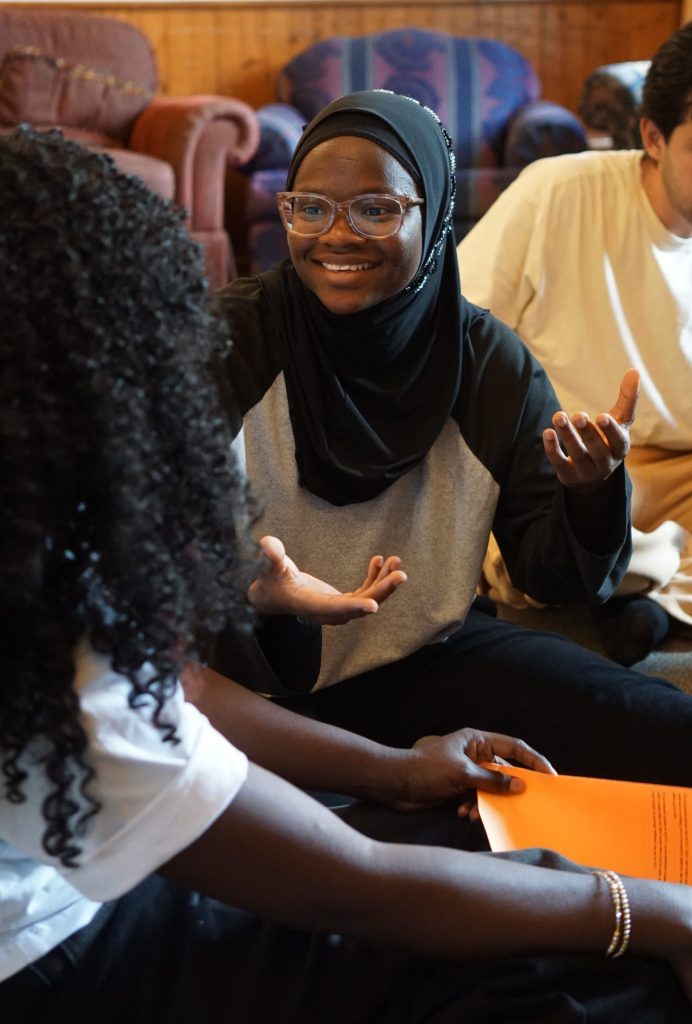
Other learning opportunities included a Choose Your Own Adventure workshop from Canadian Jesuits International where participants faced the tough choices that young CJI partners live with in countries where resources are scarce and opportunities for advancement are few.
The Intercultural Dialogue Institute of Toronto provided the “Game Theory” activity using an online platform to explore our instincts to cooperate or sabotage and how some form of cooperation works best in the long run, even in competitive situations.
Kairos offered a communication skills workshop drawing on the inspirational work of Beyond Polarized Kvetching.
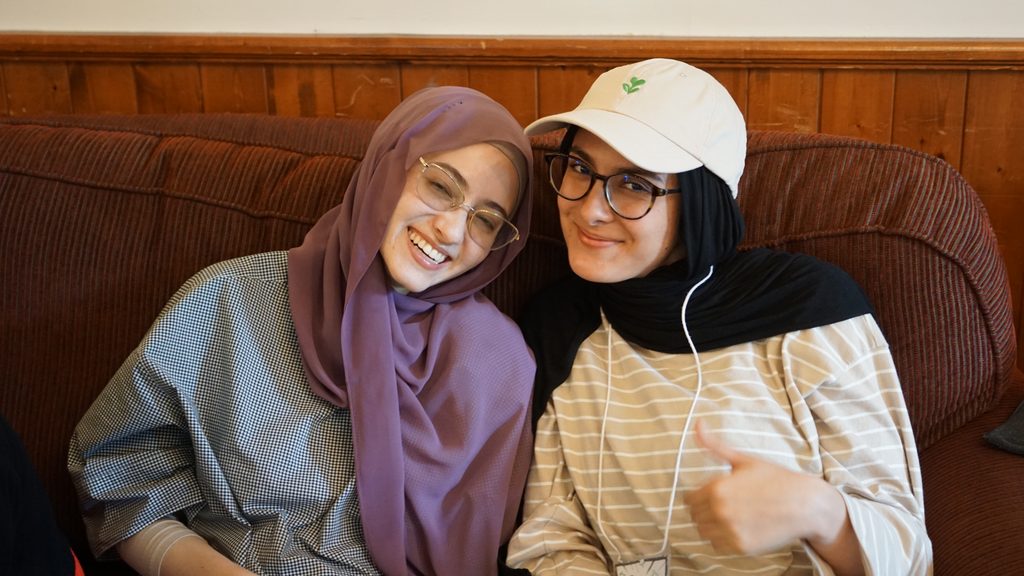
That’s a lot of learning packed into one weekend, but it wasn’t all serious, as learning wasn’t limited to workshops. There was plenty of time for games and jam sessions, swimming and hikes, meals and great conversations. Here are a few favourites the participants listed:
Why do this again?
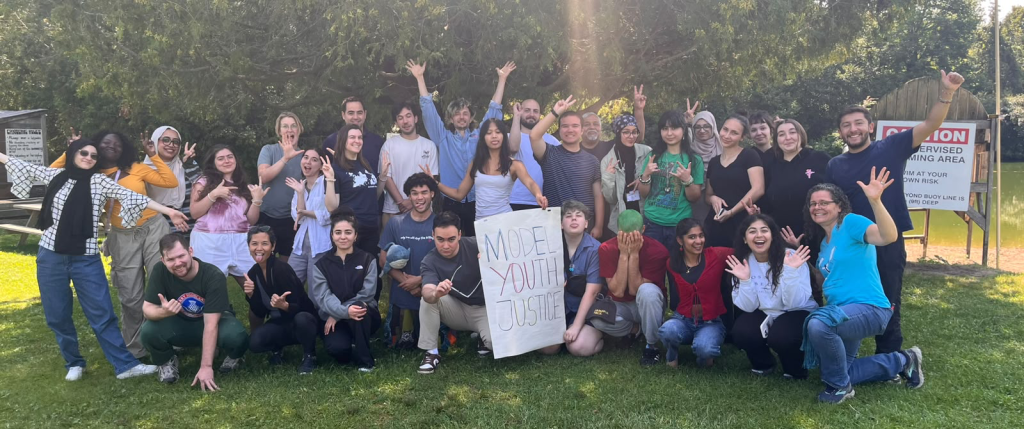
Model Youth Justice isn’t just about learning about justice; it’s about building relationships with people who care about justice and peace and creating space to imagine what we can do together. There was so much enthusiasm and positive energy coming out of this two-year experiment we decided to do it again.
Model Youth Justice 2027 is planned for August 13-15 at Hidden Acres Retreat Centre. Mark your calendars and tell your friends!
By Shannon Neufeldt, Kairos’ Member Relations and Network Coordinator